
Running a food business today isn’t easy. If you’re a small or mid-sized brand, you already know the pressure: limited budgets, competition from household names, and customers who are always looking for something new. It can feel like you’re trying to do everything at once—marketing, sourcing, production, distribution. At some point, something has to give.
That’s where private label food blending comes into play. It’s not a shortcut in the sense of cutting corners, but it is a way to take a heavy load off your plate while still putting your name on high-quality products.
What Exactly Are We Talking About?
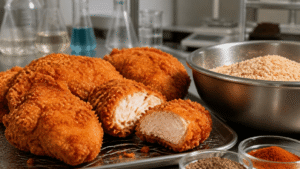
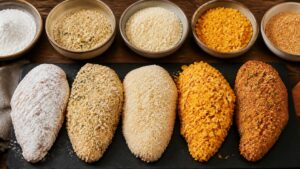
Private label blending occurs when you partner with a company that specializes in creating custom mixes, including spices, batters, coatings, seasonings, and even health powders. They do the heavy lifting, you put your branding on it, and customers see it as your product. A simple idea, but its impact can be massive.
Instead of sinking money into equipment or hiring a staff of food scientists, you get access to professionals who already know how to make consistent, market-ready blends. It’s like renting expertise without the overhead.
The Money Side of Things
Let’s be honest: money is usually the biggest hurdle. A production line isn’t just buying a mixer and calling it a day. It’s permits, training, sourcing, quality control—it adds up. Private label blending eliminates all of that.
Because blending facilities purchase ingredients in massive volumes, they can typically secure better pricing than a small brand could. Those cost savings are passed on to you. The result? Better margins and more room to compete on price without sacrificing quality.
Why Consistency Matters More Than You Think
Think about your favorite snack. Imagine if one bag tasted perfect and the next one was bland or off. You’d probably stop buying it. That’s the danger for smaller brands trying to do everything themselves—consistency is tough.
Blending partners thrive on consistency. They have systems, processes, and checks in place to make sure every single batch matches the one before it. For a growing brand, that consistency is the difference between customers trying you once and customers sticking with you for years.
Innovation Without the Burnout
Here’s another angle: creativity. Small brands often succeed because they take risks on flavors or styles bigger companies wouldn’t touch. But constant experimenting can be exhausting if you don’t have the tools to test and refine.
With a blending partner, you can say, “We want a gluten-free mix with more crunch,” or “We’re thinking about a smoky spice blend that nods to South American flavors,” and they can help bring it to life. You benefit from their technical knowledge without slowing down your business by trying to do it all yourself.
Staying Out of Trouble With Regulations
No one starts a food brand because they love paperwork, but regulations are part of the deal. Labels, allergens, sanitation—ignore any of it and you’re in for fines or worse. This is another area where blending partners shine. They’re already set up to meet FDA and USDA requirements. For you, that means peace of mind and less time reading through dense food safety manuals.
Speed to Market
Timing can make or break a product. Maybe there’s a seasonal trend you want to jump on, or a retailer asks if you can deliver sooner than you expected. If you’re producing in-house, scaling up quickly might be impossible. A blending facility, on the other hand, already has staff and equipment running. They can ramp up quickly and help you hit the market while the opportunity is still hot.
Protecting Your Brand
Some people hesitate because they worry that outsourcing might dilute their identity. In reality, private label blending does the opposite. You’re not buying a generic product and slapping your name on it—you’re developing custom blends that reflect your vision. The partner just handles the execution.
That frees you to spend more energy on storytelling, marketing, and customer engagement, which actually make your brand memorable.
Scaling Without Growing Pains
Success brings its own problems. A sudden jump in orders can overwhelm a small team. Hiring new staff, expanding facilities, or adding equipment isn’t always an option. With private label blending, scaling is built into the model. If your orders double, your partner can simply produce more. That flexibility makes growth a lot less intimidating.
Wrapping It Up
For small and mid-sized food brands, private label blending is less about cutting costs and more about building a foundation for real growth. It lowers barriers, maintains high quality, helps you innovate, and provides the bandwidth to focus on creating a loyal customer base.
The food industry will always be competitive, but the brands that find innovative ways to work around resource limits are the ones that survive—and thrive. Private label blending happens to be one of those smart ways.