
The food industry moves fast. New flavors, new diets, new trends—it feels like there’s always something fresh competing for space on store shelves. For businesses trying to keep up, private label blending has become a way to survive and, more importantly, to stand out.
Unlike generic manufacturing, private label food manufacturing is about creating something unique to your brand. That could mean private label seasoning blends, a breading, or even a powdered drink mix. It’s the behind-the-scenes work that gives a product its identity.
Products That Don’t Feel Cookie-Cutter
The first thing that separates private label blending from standard production is the chance to customize. You’re not stuck choosing from a handful of stock recipes. Instead, you can shape the product to match your brand’s voice.
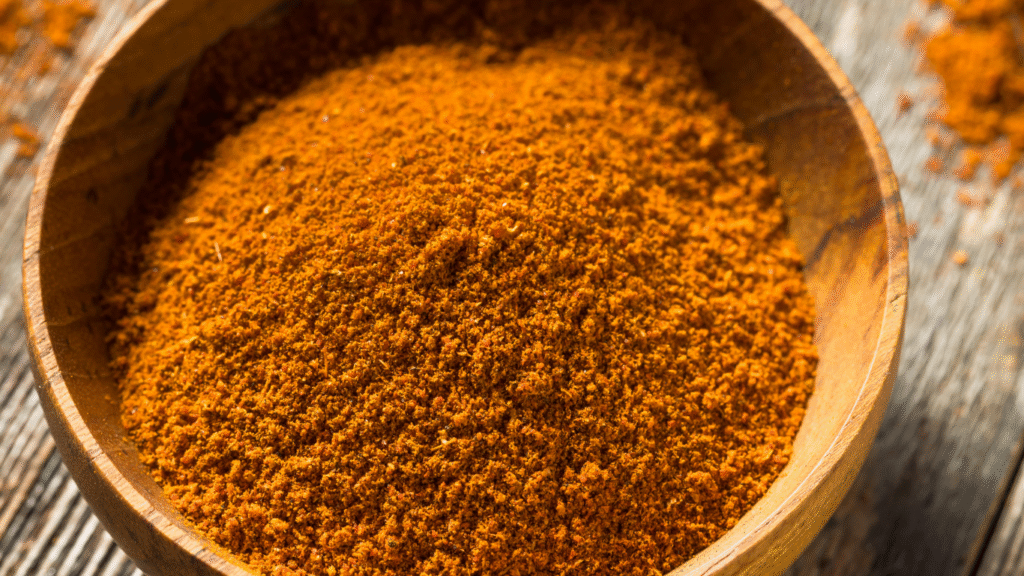
A regional restaurant might want a spice blend that ties directly to their signature dish. A natural foods company may insist on allergen-free ingredients without sacrificing taste. Private label blending allows for these kinds of details—the things customers notice, even if they don’t realize why.
Scaling at the Right Pace
One of the most challenging aspects of food production is determining the optimal quantity to produce. Large manufacturers often push minimum orders that can bury a smaller business. With custom food blending, scaling tends to be more flexible. Start small, test the market, then grow when it makes sense.
Bigger brands benefit too. If a product suddenly gains popularity, a blending partner can handle higher volumes without compromising consistency. That balance between flexibility and reliability is one of the quiet strengths of this model.
Access to Expertise Without the Expense
Product development in food isn’t simple. Shelf life, compliance, ingredient functionality—it’s a lot to manage. Most businesses lack the resources for an in-house R&D team; however, private label blending often comes with that expertise built in, and you won’t need to handle custom seasoning manufacturing.
This means you can focus on ideas and trends while professionals handle the technical side. It shortens the gap between concept and product launch, and it lowers the risk of costly mistakes along the way.
Cleaner Supply Chains
Anyone who has dealt with sourcing, shipping, and packaging separately knows how complicated it can get. One late delivery or quality slip, and the whole process slows down. Private label blending often brings everything under one roof—ingredients, mixing, and packaging.
That simplicity cuts down on costs and headaches. It also makes quality control easier. The result is more consistency, which is critical when customers expect the same taste and texture every time.
Meeting the Demand for Transparency
Today’s shoppers don’t just want tasty products; they want to know what’s in them. Labels matter. Terms like “organic,” “non-GMO,” and “no artificial flavors” aren’t just buzzwords anymore—they drive purchasing decisions.
Private label spice blends give brands control over ingredients from the start. If you want a clean label, you can bake that into the formula. That level of transparency builds trust, and once you’ve earned it, customers are more likely to stick around.
Standing Out in a Crowded Market
Food categories are full of lookalikes. Without a distinct recipe or flavor profile, products blend into the background, lacking a unique identity. Private label blending makes it possible to create something that can’t be easily copied.
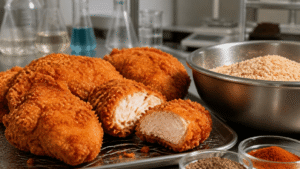
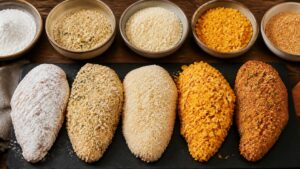
It’s often that subtle difference—a seasoning that lingers, a breading that crunches just right—that keeps customers coming back. Over time, those differences become the heart of your brand.
Cost Savings That Don’t Cut Corners
It might sound expensive to go custom, but private label product development can actually be more affordable than running your own production line. You don’t have to invest in facilities, staff, or equipment.
The money saved can go toward marketing, distribution, or expansion. At the same time, you get a product designed and produced with professional standards. It’s a win for both the brand and the consumer.
Why It Matters More Than Ever
Trends shift quickly. Plant-based one year, global spices the next. Companies relying on generic products often find themselves a step behind. Private label blending gives brands the flexibility to respond faster.
That agility is what keeps products relevant. And in today’s food industry, staying relevant is half the battle.
Private label blending isn’t just about outsourcing production. It’s about creating products that feel original, managing costs without sacrificing quality, and moving quickly enough to keep up with consumer demands.
In a market where competition is fierce and attention spans are short, private label blending doesn’t just set businesses apart—it keeps them in the game.