
Core Insights:
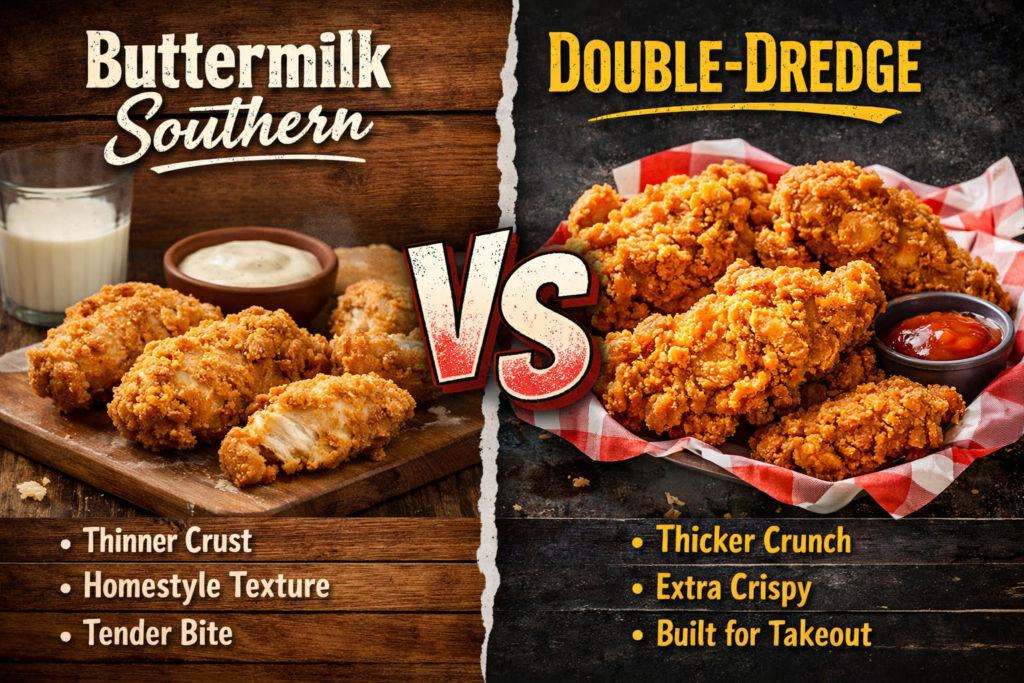
- Buttermilk Southern and double-dredge are two different breading architectures, designed for different textures, workflows, and guest expectations.
- Buttermilk Southern uses a buttermilk marinade and a single seasoned flour dredge to create a thinner, more homestyle crust with a gentler bite and a rustic, “made-in-the-kitchen” look.
- Double-dredge builds a thicker, craggier shell through layered coating, delivering bigger crunch, more dramatic appearance, and better survival under heat lamps, in boxes, and on delivery runs.
- The choice between them is an operational decision as much as a flavor decision: architecture drives yield, adhesion, oil pickup, hold time, and the reliability with which the chicken performs across staff, stores, and service channels.
For chefs, restaurant owners, and takeaway operators, one of the biggest coating mistakes is treating Southern buttermilk and double-dredge as the same thing, when in reality they are two different breading architectures built for different textures, kitchen workflows, and customer expectations.
If you’re looking for a chicken breading manufacturer, a custom batter manufacturer, or a breading supplier for franchises, the first decision should not be “which seasoning tastes best?” It should be “which coating structure goes best with the menu, the kitchen, and the service model?” That decision drives chicken breading consistency, crunch retention, and how well the product holds up during holding and delivery.
Why Does the Architecture Matter?
Many operators focus on flavor first and coating second. Yet, the structure of the breading is what drives yield, adhesion, hold time, oil pickup, and the eating experience for your customer. A buttermilk Southern system is designed to give a more traditional, homestyle result. A double-dredge system is designed to build a thicker, more aggressive crunch.
When the architecture is wrong, teams often blame training, fryer settings, or oil management instead of the coating system itself.
What Is Buttermilk Southern?
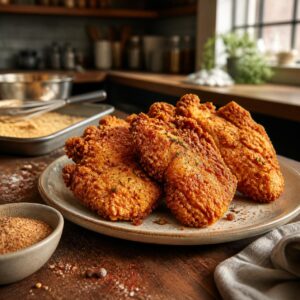
Buttermilk Southern-fried chicken starts with a wet marinade, usually seasoned buttermilk. The chicken is soaked, then dredged (lightly coated all over) in a seasoned flour blend, sometimes with a little starch or leavening to lighten the crust.
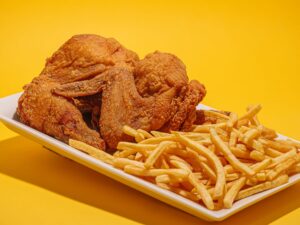
This method creates a coating that feels familiar, handmade, and a little rough around the edges, rather than perfectly factory-uniform, as real homemade food should. The crust tends to be thinner than a heavy double-dredge system, with a softer bite and a rustic appearance that many customers associate with comfort food.
This architecture brings several strengths for restaurants:
- It helps the chicken stay juicy.
- It creates a homestyle visual texture.
- It suits dine-in service and short hold times especially well.
A lighter, hand-battered coating is often the ideal choice for brands that want to communicate warmth, tradition, and freshly made quality rather than extreme crunch.
What Is Double-Dredge Really?
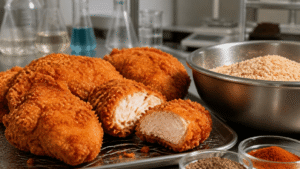
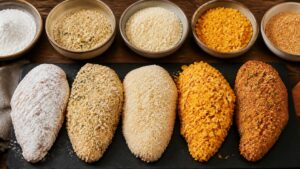
Double-dredge is a layered breading system. Instead of one coating pass, the chicken is coated, dipped again in a wet phase, and coated a second time. In some commercial systems, each layer is designed to do a different job, such as adhesion, texture development, or crunch retention.
The result is a heavier, more structured crust. It is thicker, craggier, and usually more dramatic in appearance. It also tends to hold up better under tougher service conditions.
For operators, double-dredge usually delivers:
- A stronger crunch statement.Stronger crunch and better durability under heat lamps or in delivery packaging.
- More visual impact on the plate or in the box.
- Greater tolerance for bold flavor systems such as spicy fried chicken breading.
That heavier, layered crust is why double-dredge often performs well in takeaway, delivery, drive-thru, and late-night operations where the chicken must survive time, steam, and travel.
Why Restaurants Confuse the Two
Many restaurant teams use the words loosely. They might call a product “Southern buttermilk” because the marinade contains buttermilk, even though the final system behaves more like an engineered double-dredge. Others add a second flour pass to a traditional recipe and assume they now have the same result as a true double-dredge architecture.
That confusion leads to problems because the two systems are built around different priorities. Buttermilk Southern is usually about tenderness, familiarity, and a more natural eating quality, while double-dredge is about shell structure, crunch retention, and operational resilience.
Texture and Eating Experience
From a guest perspective, the difference is immediate. Buttermilk Southern gives a coating that bites more gently. It feels integrated with the chicken rather than around it like a shell, with a crunch that is usually shorter, lighter, and more comforting.
Double-dredge creates a louder eating experience. The crust is more substantial and more noticeable. Customers often interpret that as indulgence, value, and “serious crunch.”
If the menu language leans toward “homestyle,” “Southern,” or “buttermilk fried chicken,” guests usually expect tenderness and a more natural crust. If the menu offers “crispy,” “extra crunchy,” “spicy,” or “big crunch,” they are more likely to expect a double-dredge style experience.
The Operational Difference
A buttermilk Southern system can work beautifully in kitchens with good prep discipline and relatively short service windows. It is strong for dine-in and fresh-to-order menus where the chicken moves quickly from fryer to plate.
A double-dredge system is often better suited to restaurants that need more insurance. That includes takeaway counters, drive-thru models, franchise groups, and delivery-heavy businesses.
Here is the key difference in kitchen terms:
| Operation need | Better fit |
| Homestyle appearance | Buttermilk Southern |
| Short hold time | Buttermilk Southern |
| Delivery durability | Double-dredge |
| Heat lamp performance | Double-dredge |
| Extreme crunch positioning | Double-dredge |
| Softer, traditional bite | Buttermilk Southern |
For a breading supplier for franchises, this distinction is critical. Multi-site operators need a system that not only tastes good in a test kitchen but also performs consistently across staff skill levels, fryer conditions, and service channels.
Moisture, Hold, and Crunch Retention
One of the main reasons the topic matters so much is steam.
Fresh-fried chicken is at its best when the moisture inside the meat and the crispness of the crust are in balance. But once the product sits in a box, under a heat lamp, or on a delivery bike, steam begins to attack the coating.
A buttermilk Southern crust can soften faster under those conditions, especially if the coating is relatively thin. A double-dredge shell usually gives more protection because it creates a bigger structural barrier.
That is why operators focused on crunch retention often move toward more engineered dry blends, multi-stage coating systems, or a hybrid that combines a buttermilk-style marinade with a more durable finishing breading.
For a custom chicken breading project, the real R&D question is often: how much crunch must survive, for how long, and in what service environment?
Why Custom Formulation Matters
Many operators try to solve architecture problems by adjusting seasoning. That rarely fixes the core issue.
The more effective solution is to work with a chicken coating supplier, co-manufacturer, or private-label breading manufacturer to build the system from the ground up.
That may include:
- The marinade or wet phase.
- A pre-dust or adhesion layer and a final breading with the right starches, particles, and expansion behavior.
- A proprietary chicken breading formula tailored to your fryers, hold times, and packaging.
- Private label dry blending for consistent replication across sites.
This is especially useful for restaurant groups trying to build signature identity. A strong bread-and-batter blending company does not just sell a bag of coating. It helps define how the product should perform in real service.
Which One Suits Which Type of Restaurant?
For chefs and owners, the easiest way to choose is to start with the business model.
Buttermilk Southern is usually the better choice when:
- The brand is built around comfort, tradition, or homestyle food.
- Most orders are eaten quickly.
- Dine-in is stronger than delivery.
- The desired crust is crisp but not too thick.
Double-dredge is usually the better choice when:
- Delivery and takeaway are major sales channels.
- The product needs to hold for longer.
- The brand wants a bigger crunch identity.
- The menu includes spicy fried chicken breading or heavily sauced fried items.
- The operation needs more tolerance for service pressure.
Some brands also benefit from a hybrid approach. For example, a buttermilk-led flavor system can be paired with a more engineered outer coating for added durability, which is often the sweet spot for businesses that want Southern appeal with franchise-level consistency.
The Franchise and Multi-Site View
For single independent restaurants, an experienced chef can often manage around a weak system. For multi-unit brands, that is much harder.
Franchise and chain operators need breading systems that are repeatable, trainable, and stable across different teams. That is why more brands now work with a private-label bread manufacturer or a custom batter manufacturer rather than rely on generic commodity flour blends.
The goal is not just flavor. It is consistency:
- Consistent adhesion.
- Consistent crunch.
- Consistent performance from one site to the next.
That is where a breading supplier for franchises or a seafood breading supplier with broader coating expertise can add real value, especially if the same development team also supports chicken, fish, and snack applications.
Using One Platform Across the Menu
Another reason architecture matters is menu expansion.
A well-designed coating system can often do more than one job. The same development logic behind fried chicken breading bulk programs can be adapted into tenders, popcorn chicken, fish portions, or even dry seasoning systems for sides.
That is where a snack seasoning manufacturer or food product development manufacturer becomes useful. Instead of building every menu item separately, the brand can develop a single, coherent flavor-and-coating platform across its protein and snack offerings.
This creates stronger brand recognition while simplifying procurement.
Turn Your Breading Architecture Into A Competitive Edge
The smartest route is to build the system around the operation, then lock it in with custom chicken breading, private-label dry blending, or a proprietary chicken breading formula that ensures consistency at scale. That is where the right chicken breading manufacturer, custom batter manufacturer, or breading-and-batter blending company can turn a good fried chicken idea into a reliable signature product.
We’d love to advise and support you; give us a call.
Frequently Asked Questions
Q: How do I know whether buttermilk Southern or double-dredge is right for my restaurant?
Start with your business model and service conditions. If your brand leans into homestyle comfort, most orders are eaten quickly, and you want a softer, more natural crust that feels integrated with the meat, a buttermilk Southern system is usually the better fit. If your operation depends heavily on delivery, heat lamps, or high-volume service and you want a louder, more dramatic crunch that survives time and steam, a double-dredge architecture typically performs better.
Q: Can one breading system work for both dine-in and delivery?
Yes, but it usually needs to be designed with that dual role in mind. Many operators land on a hybrid approach: for example, a buttermilk-style flavor system paired with a slightly more structured outer coating to protect crunch during holding and delivery, so the crust still feels homestyle but has more insurance in real-world conditions.
Q: What should I have ready before talking to a custom breading manufacturer?
It helps to come with a clear picture of your operation: fryer type and oil management, typical hold times, packaging, menu language (for example “Southern,” “homestyle,” or “extra crispy”), and any current problems with adhesion, color, or crunch. That information lets a chicken breading manufacturer or custom batter manufacturer design a coating architecture and dry blend that fits your kitchen workflow and brand promise instead of forcing you into a generic mix.