
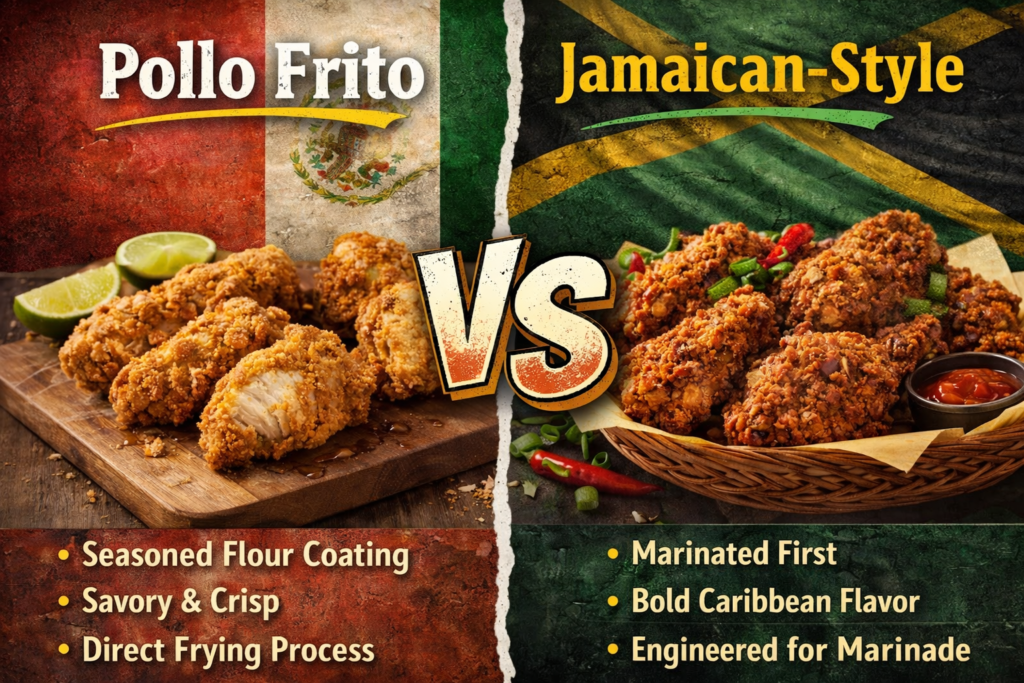
Core Insights:
- Latin and Caribbean-style fried chicken are not single, fixed systems; labels like pollo frito and Jamaican-style can refer to very different marinades, flour blends, and crust textures, so they need to be specified, not just named.
- Pollo frito-style coatings usually lean more on a seasoned flour system for identity, while Jamaican-style coatings often carry more flavor in the marinade or wet seasoning on the chicken, which changes how the breading must handle moisture, adhesion, and browning.
- For operators, the critical choice is not just flavor profile, but how the coating has to behave in real service—through prep, fry, hold, and delivery—so the architecture is built around the operation and then seasoned to match the brand
For restaurant owners, takeout businesses, and foodservice operators, Latin and Caribbean-style fried chicken can be a strong menu differentiator. These coatings offer bold seasoning, visual appeal, and a more distinctive flavor profile than standard Southern-style systems, but they are often developed too loosely.
That is where problems begin. Operators may use labels like “pollo frito” or “Jamaican-style” as if they describe a single standard coating. However, in reality, different kitchens use very different marinades, seasoning methods, and flour systems under the same name. If the coating is not clearly specified, the finished product can drift away from the intended style once it hits real kitchen conditions.
Why Does Specification Matter?
With these profiles, flavor is only one part of the job. The coating also has to work with wet seasoning, marinated chicken, fryer conditions, holding time, and packaging. A product that tastes excellent straight from the fryer can still underperform if the crust softens too fast, fails to adhere properly, or becomes too dark before the chicken is fully cooked.
This matters even more for takeout, delivery, and multi-unit operators. In those environments, the right coating is not just the one with the best flavor. It is the one that delivers the intended eating experience while staying consistent across shifts, staff, and service channels.
What Does Pollo Frito Usually Mean?
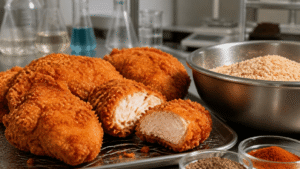
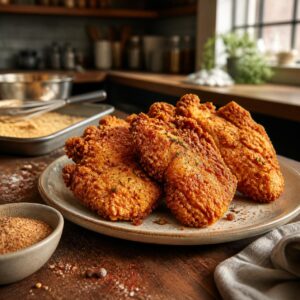
Pollo frito is often built around a seasoned flour system with a relatively direct frying process. Depending on the style and market, the chicken may be marinated first or simply seasoned, then coated in flour or a flour-based blend that can include garlic, paprika, oregano, pepper, cumin, or other Latin-style seasonings.
For operators, the defining characteristic is usually balance. The crust tends to be crisp and flavorful without feeling too thick or overly engineered. It often gives a hand-prepared appearance, a savory bite, and broad customer familiarity.
That makes this style a good fit for brands that want:
- A crisp but approachable coating
- Strong seasoning presence
- A hand-breaded look
- Flexibility across bone-in chicken, tenders, or mixed fried items
What Jamaican-Style Usually Means
Jamaican-style fried chicken often starts with more flavor on the chicken itself. Seasoning may include garlic, onion, thyme, pepper, ginger, mustard, soy, hot elements, or other marinade components that build depth before the flour coating is applied.
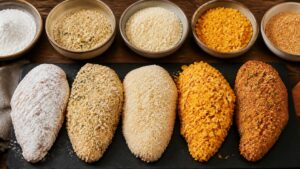
That changes the role of the breading. Instead of carrying most of the flavor alone, the coating has to work with a more seasoned and often wetter surface. In some systems, the flour blend stays simple. In others, starches, leavening, or layered dredging are used to improve pickup, texture, or crunch.
This style often delivers:
- More marinade-led flavor
- A bolder overall identity
- Strong Caribbean menu positioning
- Good alignment with spicy or high-impact flavor systems
What Is the Real Operational Difference?
The biggest difference between these styles is not just the seasoning blend. It is where the flavor is and how the coating needs to behave.
In many pollo frito-style systems, more of the identity comes from the breading itself. The flour blend carries seasoning, color, and a large part of the finished crust character. In many Jamaican-style systems, more of the flavor work begins before dredging, which means the coating has to cling well to a more heavily seasoned surface and still fry cleanly.
That matters in service. A wetter, more aggressively seasoned chicken piece may create excellent flavor. Yet, it can also create challenges with adhesion, clumping, browning, and oil management if the dry blend is not designed for that job. Operators who ignore that difference often end up with a product that tastes right in theory but behaves unpredictably in prep and service.
What Should Operators Define First?
Before choosing a Latin or Caribbean-style coating, operators should get specific about the target product. The cuisine label is not enough on its own.
The better questions are:
- How much flavor should come from the marinade and how much from the coating?
- Does the crust need to stay crisp only for immediate service, or through holding and delivery?
- Should the bite feel light and seasoned, or rugged and dramatic?
- How much process variation can the kitchen tolerate?
- Is the coating being built for one store, or for repeatable use across multiple locations?
Those questions turn a vague concept into a usable product brief. They also make it easier for a chicken breading manufacturer, a custom batter manufacturer, or a franchise breading supplier to develop a system that suits the operation rather than merely sound good on paper.
Best Fit By Operation
In general, pollo frito-style systems are better when the brand wants broad appeal, visible seasoning in the flour, and a crisp, savory crust that doesn’t feel too heavy. They can work especially well in dine-in or fast-moving takeout environments where the chicken is eaten soon after frying.
Jamaican-style systems are often a stronger fit when the brand wants a deeper marinade identity, a more assertive flavor profile, and a coating system built around bold seasoning. They can be especially effective for brands that want a clearer Caribbean point of view on the menu.
For delivery, boxed hold, or high-pressure service, either style may need a more engineered approach. That could mean starch support, improved adhesion design, or a modified outer coating that protects the texture without losing the product’s intended character.
Where Do Operators Usually Get Into Trouble
One common mistake is assuming the cultural name is the spec. It is not. Calling something ‘pollo frito’ or ‘Jamaican-style’ may describe the inspiration. But it does not define how the coating should pick up, how dark it should fry, how long it should hold, or how it should eat after being in a box for a while.
Another mistake is overloading the wet phase without adjusting the dry system. The more seasoning, moisture, and surface activity you add before dredging, the more carefully you need to build the breading. Without that adjustment, the crust can stick unevenly, brown too fast, or lose its texture during hold.
A third mistake is developing the product for a single ideal cook. That may work in one kitchen with one strong operator. It usually breaks down when the same product has to perform across multiple stores, different staff skill levels, and varying fryer conditions.
Why Is Custom Formulation Important?
This is where custom formulation becomes valuable. A strong dry blend partner does not just supply a bag of seasoned flour. The right partner helps define how the coating should behave with your marinade, prep workflow, fryers, and service model.
That may involve:
- A flour and starch balance that suits wet-seasoned chicken
- Better adhesion for marinade-heavy applications
- Controlled browning for darker spice systems
- Texture tuning for short hold or extended hold
- Private label dry blending for repeatability across sites
For operators trying to scale, that kind of support can make the difference between an interesting concept and a reliable product line.
Turn Style Into A Working System
Latin and Caribbean-style coatings should be treated as operating systems, not just flavor directions. The goal is not simply to make the chicken taste bolder. The goal is to create a coating that delivers the right texture, color, adhesion, and hold performance for the business you actually run.
If the brand wants a seasoned, broadly appealing fried chicken with a crisp but balanced crust, a pollo frito-style system may be the better fit. If the brand wants deeper marinade character and a stronger Caribbean identity, a Jamaican-style system may make more sense.
The smartest approach is to define the service reality first, then build the coating around it. That is where the right chicken breading manufacturer, custom batter manufacturer, or franchise breading supplier can help turn a strong idea into a repeatable spec.
How Do You Turn a Style Into a Working Spec?
For operators, the key decision is not just what flavor profile they want to sell. It is how that coating needs to behave in the kitchen, in the box, and across multiple shifts or locations. When the brief starts with those realities, it becomes much easier to build a Latin- or Caribbean-style system that keeps its character, its crunch, and its consistency as the business grows.
If you want to translate a pollo frito or Jamaican-style idea into a working specification, Idan Foods can help you develop custom chicken breading and private label dry blends that match your menu, your fryers, and your service model. Don’t hesitate to contact us.
Frequently Asked Questions
What is the main difference between pollo frito and Jamaican-style coatings?
Pollo frito-style coatings often place more of the final identity in the flour system itself. In contrast, Jamaican-style coatings more often rely on seasoning and marinade applied directly to the chicken before dredging.
Which style is better for takeout and delivery?
Either can work, but both may need a more engineered dry blend if the product has to hold in a box or travel well. The deciding factor is usually not the cuisine label but the level of crunch retention, adhesion, and hold performance the operation requires.
Can these coatings be standardized across multiple locations?
Yes. That is usually where custom chicken breading, private-label dry blending, and clearly defined prep procedures are most valuable, because they reduce variation across stores and make the finished product more repeatable.