
Anyone who works in a busy kitchen or oversees a large-scale food operation knows that flavor is one of the most powerful tools a brand has. People return to a restaurant or packaged product because it tastes the way they expect, yet they also crave moments of surprise. This mix of familiarity and curiosity creates a challenge that every high-volume operator eventually faces.
How do you keep the flavor profile exciting without interrupting the rhythm of a fast-moving production system? It’s a question that becomes even more important as customers follow new trends and look for fresh ideas in every category, from snacks to quick service meals.
Why Flavor Innovation Resonates With Customers
When guests try something new and genuinely enjoy it, they talk about it. They share it with friends, they post about it online, and they remember the experience long after the meal ends. Flavor innovation can fuel that kind of reaction. It gives a brand energy and keeps it part of the current conversation. Even a slight twist on a classic seasoning stays in a customer’s mind, especially when it complements the familiar items they already love.
The desire for novelty does not mean customers want the menu to change constantly. What they want is a feeling that the brand is paying attention. A well-crafted flavor update or seasonal offering shows that a company is listening to its audience and responding to what they enjoy. This is where thoughtful innovation matters. When the flavor feels natural for the brand and works within the existing menu, customers respond with enthusiasm rather than hesitation.
The Pressure to Maintain Uniformity
Large operations do not have the luxury of inconsistency. A guest expects the same experience on every visit, and even minor variations can affect trust. This is why many high-volume brands are cautious about experimenting with flavor. One new ingredient can require retraining staff, adjusting prep routines, or sourcing from a new supplier. With multiple locations, the tiniest change becomes a ripple that affects the entire system.
Consistency becomes more challenging when teams are busy, turnover is high, or equipment varies from one location to another. A flavor that tastes excellent in a controlled test kitchen can fall apart during a weekend rush when everyone is moving at full speed. These real-world situations are the reason some brands avoid innovation altogether, even when they know customers would welcome something new.
How Successful Brands Approach Flavor Development
The brands that manage this balance well do not treat flavor innovation as a quick creative decision. They view it as a long-term process built on customer insight, operational awareness, and ongoing collaboration. They start with what their audience already enjoys and explore how to build on those familiar notes. Rather than overhaul an entire seasoning blend, they may introduce a variation that slots into the established workflow.
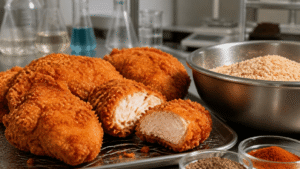
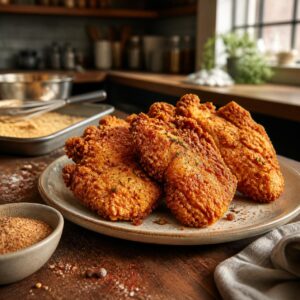
A good example is the way some high-volume fried food operations keep their foundational breading blend unchanged but rotate the finishing seasonings or dipping sauces. This approach lets the kitchen maintain speed while still offering something exciting. It also takes into account fundamental limitations, such as storage space, supplier availability, and training time.
When culinary teams and operations managers work closely, the result is a flavor that feels creative without complicating the process. Chefs bring imagination and an understanding of trends, while operators see how an idea will play out during a busy shift. That combination creates flavors that are appealing and practical.
Ingredient Sourcing as the Backbone of Consistency
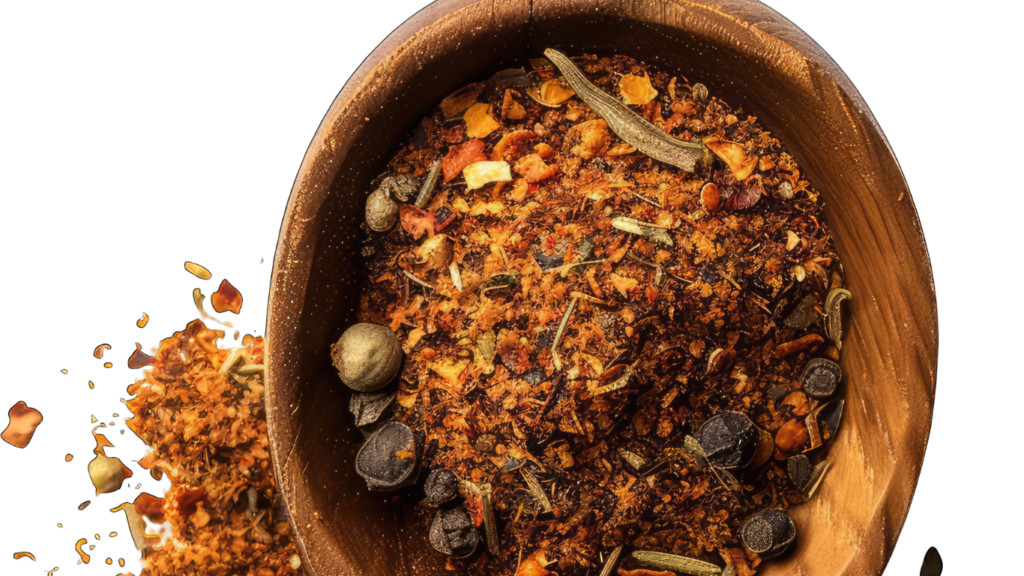
It is impossible to scale a new flavor if the ingredients cannot be sourced reliably. High-volume operations require suppliers who can deliver the same product month after month without changes in taste or quality. Even a slight shift in spice strength can affect the final dish. This is why many brands partner with manufacturers who create custom seasoning blends. It ensures every location receives an identical product and allows innovation to continue without constant adjustments.
For brands that cycle through seasonal specials or regional offerings, this relationship becomes essential. It gives teams the confidence to explore new ideas, knowing that the core ingredients will remain stable. It also prevents last-minute menu changes caused by unpredictable availability or sudden cost increases.
Testing Flavors Before Full Rollout
One reason high-volume operations succeed with innovation is that they test extensively before anything becomes permanent. A concept may begin as a simple kitchen experiment, but it must endure real-world conditions. Teams study how the flavor performs during peak hours, how it holds up during different cooking times, and whether staff can prepare it without slowing down service.
Customer feedback is equally important. A flavor that excites internal teams might not resonate with guests. More surprisingly, some flavors that seem modest on paper may become unexpected customer favorites. Limited testing periods reveal this long before a systemwide launch, saving time, labor, and expense.
Meeting Customer Expectations While Remaining Creative
A flavor is only successful if it maintains the authenticity of the brand. Creativity without alignment can feel forced, and customers sense the disconnect immediately. Operators who understand their audience can shape flavor ideas that feel adventurous but still familiar. They consider regional tastes, consumer behavior, and the emotional connection customers have with some ingredients.
This balance helps ensure that innovation enhances the menu rather than interrupts it. Customers enjoy the experience of trying something new while still recognizing the brand they trust. That harmony between novelty and familiarity strengthens loyalty far more than unpredictable menu changes ever could.
Building a Long Term Strategy Around Flavor
At its core, flavor innovation is not about constant reinvention. It is about growth. High volume brands that embrace thoughtful experimentation tend to develop a stronger identity and a more engaged customer base. They keep their menus fresh without overwhelming their teams, and they maintain consistency while still surprising guests in meaningful ways.
The most successful operators view flavor as a strategic advantage. With the proper process, dependable ingredients, and a deep understanding of their customers, they can introduce new ideas with confidence and consistency. Those small bursts of creativity build anticipation, spark conversation, and remind customers why they choose the brand in the first place.
When creativity and consistency support one another instead of competing, flavor innovation becomes a lasting strength rather than a challenge to overcome.