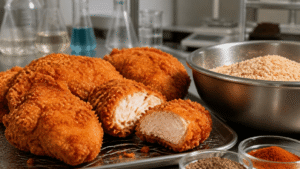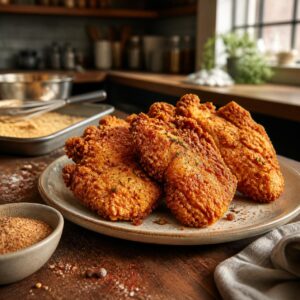

Anyone who’s spent time around a deep fryer knows the truth: crispy food isn’t as simple as dropping something in hot oil and waiting until it turns brown. There’s a lot that can go wrong. Food can cook unevenly, fries stay pale no matter how long you leave them, or that sad moment when a crunchy chicken strip goes limp five minutes after it leaves the fryer.
This is why so many chefs and food manufacturers are moving toward custom breading. It’s not just a fancy term, it’s a way to get food to fry faster, stay crisp longer, and taste the same every time. If you’ve ever wondered why some places always seem to get that golden crunch just right, this is usually the secret.
Why the Coating Makes or Breaks the Dish
The breading isn’t just decoration. It performs several functions simultaneously: it locks in moisture, acts as a barrier between the food and the oil, and delivers the satisfying texture that makes fried food so crave-worthy.
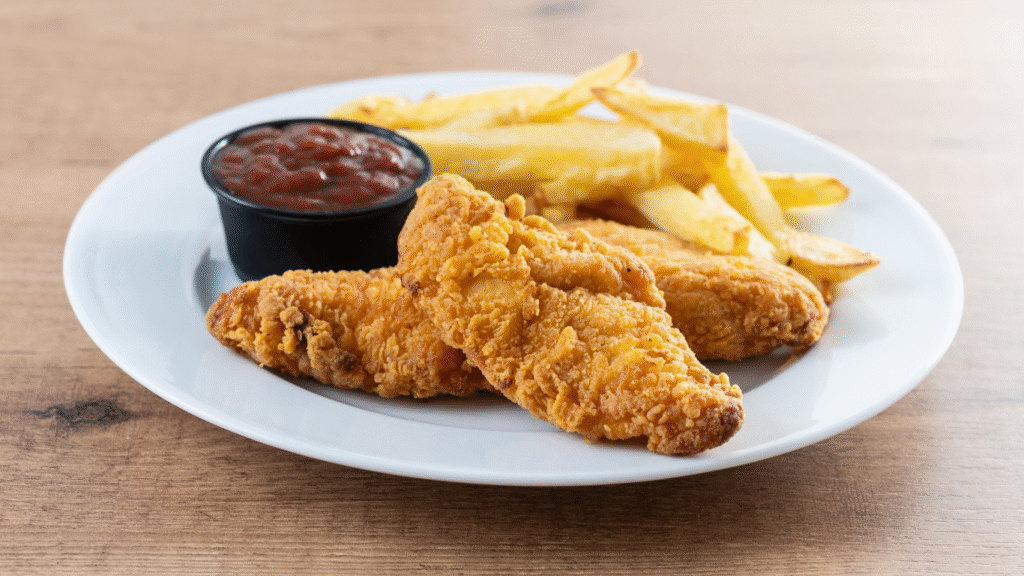
Think about biting into a perfectly fried onion ring. That crackling crunch is what makes the bite exciting, and when it’s missing, you notice. If the coating is too thick, the inside might not cook through in time. If it’s too thin or not well-formulated, the oil soaks in, and you’re left with a greasy bite.
How Custom Breading Speeds Up Frying
In a busy kitchen, seconds matter. If your chicken tenders need an extra 30 seconds to reach the ideal color, that time adds up quickly during a lunch rush. Custom breading can be made lighter or adjusted to brown more evenly, allowing the product to reach the “done” mark faster.
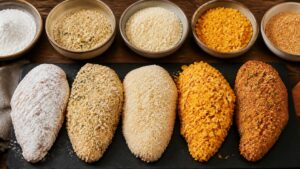
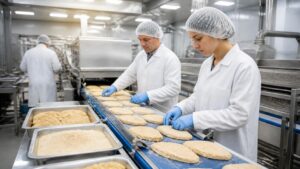
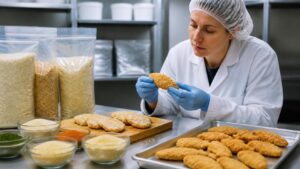
Food technologists manipulate factors such as particle size, moisture absorption, and starch content to achieve the desired result. Sometimes the goal is shaving down the cook time. At other times, it’s about ensuring that every piece in the basket comes out looking the same. Both save time, cut waste, and keep the line moving.
Crunch That Lasts
Getting a crispy coating is one thing, keeping it crispy after it leaves the fryer is a whole different challenge. Delivery and takeout have made this more important than ever. Nobody wants soggy fried food arriving at their door.
Custom breading can help here, too. By using the right combination of starches and proteins, the coating forms a barrier that slows down the migration of oil. That means your fried chicken still has a crunch after ten, fifteen, or even twenty minutes under a heat lamp. For operators who rely on third-party delivery services, this is a significant development.
Building Flavor Into the Coating
Texture is important, but taste is what people remember. A custom blend allows you to fine-tune the seasoning profile to match your brand. Perhaps you’re looking for a subtle garlic-herb note or a burst of heat that sets your product apart.
Because the blend is tailored to your process, you also get consistency, the same flavor hit every time, not a mix that tastes different depending on how it’s handled on any given day.
Why It Matters for Your Business
Consistency is what keeps customers coming back. If your fries are perfect one day and soft the next, that’s the kind of thing people notice (and complain about). Custom breading eliminates some of the guesswork, allowing your team to deliver the same great crunch every time.
It also makes life easier in the kitchen. Faster fry times mean quicker ticket times, which means happier guests. Besides, food that stays crisp longer reduces waste because you don’t have to toss batches just because they lose their texture before they’re served.
Reach Out to Idan Foods Today
Frying is a blend of art and science, and breading is right at the center of it. When you take the time to work with a supplier who can design a coating for your exact product, you’re investing in consistency, speed, and quality.
It’s not just about making food look good, it’s about creating that moment when a customer takes a bite, hears and experiences the crunch, and immediately wants another one. That’s what keeps them coming back, and custom breading is one of the best ways to make sure it happens every time.