
Your fried chicken turns soggy 20 minutes into the shift. You’ve checked oil temperature and retrained the crew, but it hasn’t helped. Maybe the problem isn’t your fryer or your staff. Perhaps it’s the type of coating you use. Taste matters, but it’s not the only factor. Steam and hold time can change how the coating performs. A coating can look great in a test kitchen but fail during a Friday rush. It can also soften during delivery.
The right chicken coating depends on your product and your process. Flour dredges, crumb systems, batters, and specialty coatings all react differently when heat and moisture come into play. Pick the wrong type for your fryer setup and holding method, and even the best fryer won’t stop the crust from falling off or soaking up oil.
In this guide, we’ll explore the four main coating types. You’ll see how particle size, moisture, fryer type, and hold time change performance. We’ll show where each system fits best and what trade-offs to expect.
Start With the Finished Product
Before comparing ingredients, define what the coating must do for your operation. Start with six questions.
- What protein are you coating? Bone-in pieces and tenders release moisture differently from nuggets or shaped patties.
- What texture does the menu require? You may want a rough, flaky crust or a smooth shell. Some menus need a light Panko crunch. Others need a dense coating that can hold sauce.
- How will you serve the chicken? Will customers eat it straight from the fryer? Or will it wait under heat lamps or travel in delivery packaging?
- What equipment is on the line? Open fryers, pressure fryers, conveyor systems, and high-speed ovens don’t create the same conditions.
- How consistent does your process need to be? A restaurant using the hand-breaded method has more flexibility. Multi-unit franchises and automated food manufacturing lines need the same results every time.
- What moisture will the coating face? Marinades and frozen chicken release extra moisture. Sauces and sealed packaging can trap steam. Skin-on chicken also behaves differently from skinless cuts.
Use these questions before choosing a coating. Panko and tempura describe broad coating categories, not guaranteed results. Flour breading does too. Final performance depends on particle size, moisture handling, application method, and fryer conditions. Your service window also matters.
Flour Dredges and Classic Breadings
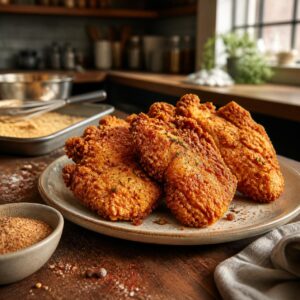
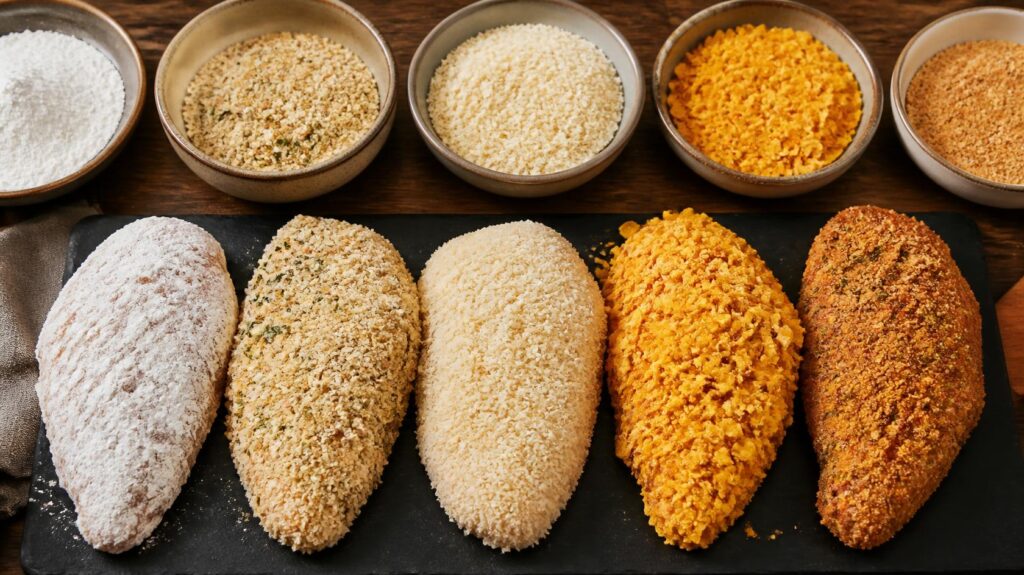
Flour dredges are the base of most traditional fried chicken programs. You will find them in Southern-style concepts and hand-breaded tender programs. They also suit country-fried cutlets and Texas fried chicken breading.
A typical formula combines wheat flour, cornstarch, seasoning, and baking powder. The balance affects coverage, flake formation, color, and oil pickup. The finished texture is flaky and uneven. And that rough surface is part of the appeal. It creates ridges that carry seasoning and sauces.
Where Flour Systems Do Well
Flour dredges work well for:
- Fresh, hand-breaded chicken
- Bone-in thighs and drumsticks
- Southern or spicy fried chicken
- Pressure-fried products
They perform especially well in pressure fryers. The cooking environment sets the coating while the chicken cooks quickly. The result is a tender interior with a firmly attached crust.
Operational Trade-Offs
Flour systems offer flexibility. But the application process matters. Variations in surface moisture, pre-dust coverage, flour pickup, and handling can change the finished result.
That level of variation is easier to manage at one location. It’s harder to control across multiple locations. If one kitchen packs the flour heavily and another applies a lighter coat, customers get noticeably different products.
Flour dredges also create more fryer sediment than crumb or batter systems. That affects oil life and how often you need to filter. More sediment means more frequent oil changes and higher operating costs.
The trade-off is clear. Flour dredges deliver a traditional, flaky crust. But they need stronger process control than pre-baked crumb systems.
Crumb Systems
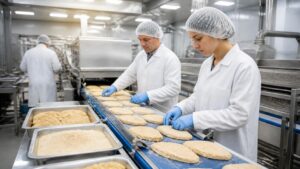
Crumb systems use pre-baked particles instead of raw flour. Manufacturers can adjust particle size, density, shape, and moisture. This creates coatings that range from light and delicate to firm and durable. Crumb systems suit restaurants and frozen food programs. They also work in institutional foodservice and automated production.
Panko
Panko has large, flaky particles with low density. It creates a visible crust and an airy crunch.
Panko works well for:
- Katsu-style chicken cutlets
- Premium boneless tenders
- Chicken sandwiches
- Products where the coating’s visual size matters
The main limitation is handling. Large flakes break during shipping and storage. They also break when transferred through automated equipment. When flakes fracture, the blend produces too much dust. You lose the appearance customers expect.
Panko is also less suitable for long holding or delivery. It works best when the full system supports it. This includes the formula and fryer. Packaging and ventilation also matter.
American Breadcrumbs
American breadcrumbs are smaller, rounder particles with medium density. They provide smoother coverage and fewer large gaps than Panko.
They’re a good fit for:
- Chicken nuggets
- Formed chicken patties
- Freezer-to-fryer products
- High-volume foodservice programs
The particles are more uniform in size. That supports predictable coverage across automated processes. They offer a balanced texture. It’s less delicate than Panko and not as dense as cracker meal.
Cracker Meal
Cracker meal has fine, dense particles with low moisture. It creates a firm outer shell. That shell resists steam and holds up during longer service periods.
It suits:
- Institutional foodservice
- Cafeteria programs
- Catering operations
- High-volume prepared meals
The limitation is texture. A dense coating can feel too hard or dry. This happens if the formula and cooking process aren’t balanced.
What to Compare
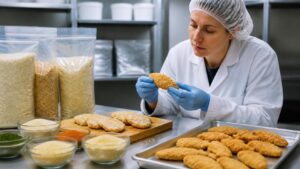
When evaluating a crumb system, look beyond the product name. Particle size and dust percentage affect coverage. Density and moisture affect the finished crust.
You’ll also want to consider how the blend moves through your equipment. A crumb that performs well in a hand-breading station may not flow through an automated system. Large flakes can lose their shape during repeated transfers through an automated system.
Batter Systems
Batter systems use a wet mixture of flour, starch, baking powder, and liquid. The batter may act as an adhesive layer beneath dry crumbs. Or it can create the entire outer crust.
Tempura and puff batters create a smoother surface than flour dredges. Beer-style batters can do the same. These coatings form a more continuous layer around the chicken that can help manage moisture.
Adhesion and Complete-Crust Batters
Not every batter has the same job.
An adhesion batter acts as a bonding layer. It helps dry crumbs or flour attach to the chicken. It can also improve coverage on difficult proteins. A complete-crust batter forms the finished exterior on its own. Tempura and puff systems fall into this category.
That distinction matters when you compare products. Don’t judge an adhesive batter by the same standards as a complete-crust batter. Each type has a different job.
Where Batter Systems Fit
Batter systems work well for:
- Tempura chicken
- Beer-battered strips
- Sauced chicken bites
- Nuggets and small portions
They work especially well when the chicken will receive sauce. A smooth outer layer gives sauce an even surface to cover. Flour dredges create deeper ridges and a different eating experience.
Operational Trade-Offs
Batter systems need tighter mix control than dry coatings. Viscosity means batter thickness. It affects pickup, coverage, color, and cooking time.
Your setup needs a station for dipping chicken in batter. You also need space to transfer coated pieces straight to the fryer. Open fryers often work well for this process. The batter needs room to expand and set.
For a high-volume operation, evaluate the batter across four areas. Mix consistency and thickness determine how evenly the batter coats each piece. Water addition and hydration affect how the batter flows and sets. Temperature changes and how much batter sticks to each piece affect cooking time and oil absorption. Fryer loading and batter loss drive waste and cost per serving.
A custom batter manufacturer can help set clear mixing and application standards. That gives each location a repeatable process.
Specialty and High-Hold Coatings
Some products need more than a good first bite. Delivery brands, virtual kitchens, caterers, and prepared-food manufacturers need coatings that stay crisp through holding, transport, and packaging. Standard flour coatings soften quickly when steam has nowhere to go. Specialty systems use starches and other ingredients to manage that moisture.
High-Hold Systems
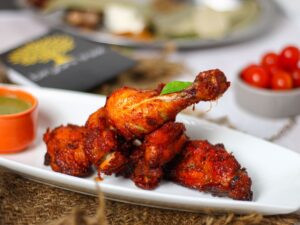
High-hold coatings maintain texture for a longer service window. They suit delivery wings and tenders. They work for heat-lamp holding and catering trays. They also work with vented takeout packaging. They can suit products that receive sauce after frying. Central kitchens can use them for prepared components that travel further.
The formula is only part of the result. Packaging and ventilation matter just as much. Stacking and hold time matter too. A strong coating inside a sealed container may still soften if steam can’t escape. For that reason, test high-hold products under real conditions. Use your actual fryer, packaging, transport time, and service window.
Gluten-Free Coatings
Gluten-free systems require more than removing wheat flour. The replacement blend must deliver structure, adhesion, color, and crunch without wheat proteins.
Common ingredients include:
- Rice flour: Light crunch and low oil pickup
- Tapioca starch: Flexibility and bonding
- Potato starch: Firm bite and moisture resistance
- Corn starch: Structure and color
The right blend depends on the chicken and cooking process. Texture goals and certification requirements matter too. If you’re developing a certified gluten-free product, address ingredient sourcing and production controls from the start. Prevent cross-contact with wheat throughout the process.
Comparing Coating Systems
| Coating type | Texture | Works well for | Main strength | Watch for |
|---|---|---|---|---|
| Flour dredge | Flaky and uneven | Bone-in chicken and fresh tenders | Traditional crust and strong flavor pickup | More labor and process variation |
| Panko | Light and flaky | Cutlets and premium strips | Visible coating and airy crunch | Flakes can break during handling |
| American breadcrumbs | Smooth and firm | Nuggets and chicken patties. It also suits freezer-to-fryer products. | Predictable coverage | Less dramatic texture |
| Cracker meal | Dense and durable | Catering and institutional foodservice | Holds up well against steam | Can feel hard if poorly balanced |
| Tempura batter | Smooth and light with a crisp bite | Sauced bites and nuggets | Forms a continuous outer coating | Needs close control on the wet line |
| High-hold starch system | Crisp for longer | Delivery and extended holding | Supports crunch retention | Test with your packaging and hold time |
The right coating depends on how you serve the chicken. Dine-in restaurants may value a bold crust and strong visual appeal. Delivery brands need to manage steam during the hold. Franchises need coatings that perform the same way across locations.
Test each option with your fryer and packaging. A coating that looks great in a test kitchen may not hold up during a busy service period. Match the coating to your texture goals and hold requirements.
When the Coating Isn’t Performing
A coating problem doesn’t always start with the breading mix. First, check each preparation and frying step. Surface moisture and coating pickup can change adhesion. Fryer conditions can affect color and crunch. Pre-dusting can help absorb surface moisture and support adhesion between the chicken and coating.
Breading Blow-Off
Check the chicken’s surface moisture and pre-dust coverage. Then check how long the product rests before frying. A weak bond between layers can cause the coating to lift or fall away in the fryer. Test the full coating process together before changing one ingredient.
Softness During Holding or Delivery
Check the packaging and holding setup before changing the formula. Steam trapped inside a closed container can condense and soften the coating. A high-hold system may help, but it must work with the actual hold time and packaging.
Over-Browning
Check the coating’s sugar and dairy content. Then review oil temperature and cook time. Sugars and proteins brown faster in hot oil. The coating may darken before the chicken finishes cooking.
Gummy Texture Beneath the Crust
Check batter thickness and coating pickup. Also check fryer loading and oil recovery. Thick batter and heavy coating can leave the layer under the crust damp. An overloaded fryer can create the same problem. Thicker batter often increases coating pickup. Test batter thickness during the full frying process.
For franchise and manufacturing programs, test coatings under real operating conditions. Use the actual chicken cut and fryer. Then test the packaging and target hold time. A bench sample cannot show how a coating will perform during a busy service period.
Developing the Right Coating
Choosing a coating type gives you a starting point. The final formula must match your chicken, fryer, hold time, and target food cost.
For bone-in chicken, we may refine a flour dredge. An automated line may need a different crumb size. Sauced bites can call for a tempura batter, while delivery products may need a high-hold coating.
At Idan Foods, we develop custom batters and breadings for foodservice operators. We also create gluten-free coatings and seafood coatings. We also offer private-label dry blends and seasoning systems.
We focus on how the coating performs in daily production:
- Flavor and visual appeal
- Adhesion and coverage
- Oil pickup and fryer sediment
- Crunch retention and repeatable results
Custom chicken breading should fit how you cook and serve the product. A proprietary chicken breading formula needs the same practical approach. Private-label breading projects do too. Whether you need custom chicken breading, a proprietary chicken breading formula, or a private-label breading project, the process should fit how you cook and serve the product. We keep the development work practical. The finished coating must deliver the same result across shifts and locations.
Choosing Your Coating System
The best coating is not always the one with the sharpest first crunch. It is the coating that performs when the fryer is busy, and the product must hold.
Flour dredges, crumb systems, batters, and high-hold coatings each suit different needs. Choose based on the chicken you serve, the equipment you use, the texture you want, and the time the product must hold.
When comparing chicken breading manufacturers or custom batter manufacturers, ask how they test products. They should test with your chicken and fryer. They should also test your packaging and service window. Idan Foods can help you build a coating system that supports flavor and texture. It can also help manage food costs and chicken breading consistency as you grow.