

In the highly competitive world of food service, restaurant chains are constantly seeking ways to stand out from the competition. One area gaining significant traction is custom breading rollouts—innovative coating options tailored to meet customer preferences and brand identity. From enhancing product appeal to driving profitability, custom breading strategies can offer invaluable insights for restaurant chains looking to refine their menu offerings. Let’s explore the lessons restaurant chains can learn from the successful execution of custom breading initiatives.
Understanding the Appeal of Custom Breading
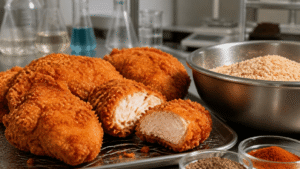
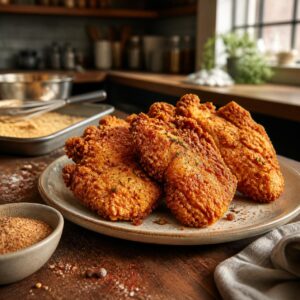
Custom breading is more than just a visual or textural enhancement—it’s an opportunity to create a sensory experience that aligns with a brand’s identity. Chains that have excelled in this area understand that breading can affect everything from crunchiness to flavor profile, catering to consumer expectations for both familiarity and novelty.
For example, a fast-food chain might create a signature breading for its chicken tenders that balances a hint of spice with a sweet undertone, appealing to diverse palates. By doing so, they can create a recognizable product that customers associate with their brand, much like how proprietary sauces have become iconic in certain chains.
Lesson 1: Invest in Research and Development
A successful custom breading rollout starts with understanding the preferences of your target audience. Restaurant chains must invest in comprehensive market research and sensory testing to identify the flavors and textures that resonate with their customers. Leading brands often conduct focus groups and A/B testing to refine their breading recipes before introducing them on a large scale.
Additionally, chains can leverage data analytics to track trends in regional and global markets. For instance, the rise in demand for spicy foods or gluten-free options can inform breading formulations that cater to evolving dietary trends.
Lesson 2: Embrace Innovation in Ingredients and Techniques
The art of custom breading isn’t just about the flavor; it’s about using innovative techniques and ingredients to achieve consistency and scalability. Some chains are incorporating plant-based ingredients or experimenting with alternative grains like quinoa and rice flour to cater to health-conscious consumers. Others focus on advanced frying techniques or air-frying options to meet the demand for lower-calorie menu items without compromising on taste or texture.
By embracing these innovations, restaurant chains can position themselves as leaders in quality and adaptability, meeting the expectations of increasingly discerning customers.
Lesson 3: Consistency is Key
One of the biggest challenges in a custom breading rollout is maintaining consistency across locations. Customers expect the same experience whether they’re visiting a restaurant in New York or Los Angeles. To achieve this, chains need to prioritize training for kitchen staff, invest in standardized equipment, and develop precise recipes that minimize variation.
Moreover, partnering with reliable suppliers is crucial. Leading brands often collaborate with vendors that can produce and distribute pre-mixed breading formulas, ensuring quality control at every stage of the process.
Lesson 4: Marketing Matters
Even the best breading rollout can fall flat without an effective marketing strategy. Restaurant chains must treat the launch of custom breading as an event, complete with teaser campaigns, social media buzz, and limited-time offers to generate excitement. Storytelling can play a pivotal role here—sharing the inspiration behind the breading or highlighting customer testimonials can create an emotional connection that drives sales.
Collaborations with influencers or food bloggers can also amplify the impact, reaching wider audiences and encouraging trial.
Lesson 5: Monitor and Adapt
The rollout of custom breading shouldn’t be viewed as a one-time effort but as an ongoing process. Chains must monitor customer feedback, sales data, and social media sentiment to evaluate the success of the initiative. Insights gathered can inform future iterations, whether it’s adjusting the flavor profile, launching seasonal variations, or discontinuing underperforming options.
Brands that excel in this area often maintain a test-and-learn mindset, treating each rollout as an opportunity to refine their approach and stay ahead of the competition.
Real-World Success Stories
Some restaurant chains have already mastered the art of custom breading rollouts, offering valuable case studies. For instance, Popeyes’ launch of its spicy chicken sandwich with a distinctive breading sparked a viral frenzy that translated into record-breaking sales. Similarly, Chick-fil-A’s commitment to using high-quality breading with unique seasonings has solidified its reputation as a leader in the fast-food industry.
These examples underscore the power of aligning product innovation with customer preferences and marketing strategies to achieve measurable success.
Setting the Table for Success
Custom breading rollouts offer restaurant chains a chance to differentiate themselves in a crowded market while meeting the demands of increasingly adventurous consumers. By investing in research and development, embracing innovation, maintaining consistency, leveraging marketing, and staying adaptable, brands can turn a simple breading into a powerful business asset.
As the food service industry continues to evolve, the ability to innovate and execute effectively will remain the cornerstone of success. Restaurant chains that learn from these lessons can position themselves not just as providers of food but as creators of memorable dining experiences.