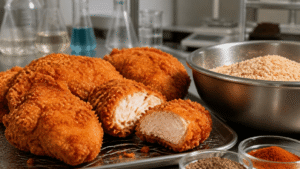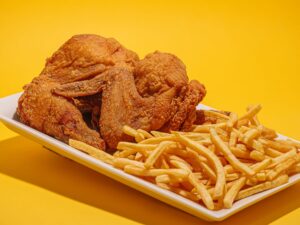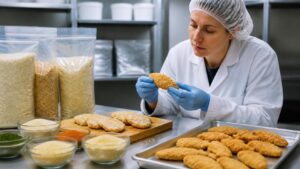

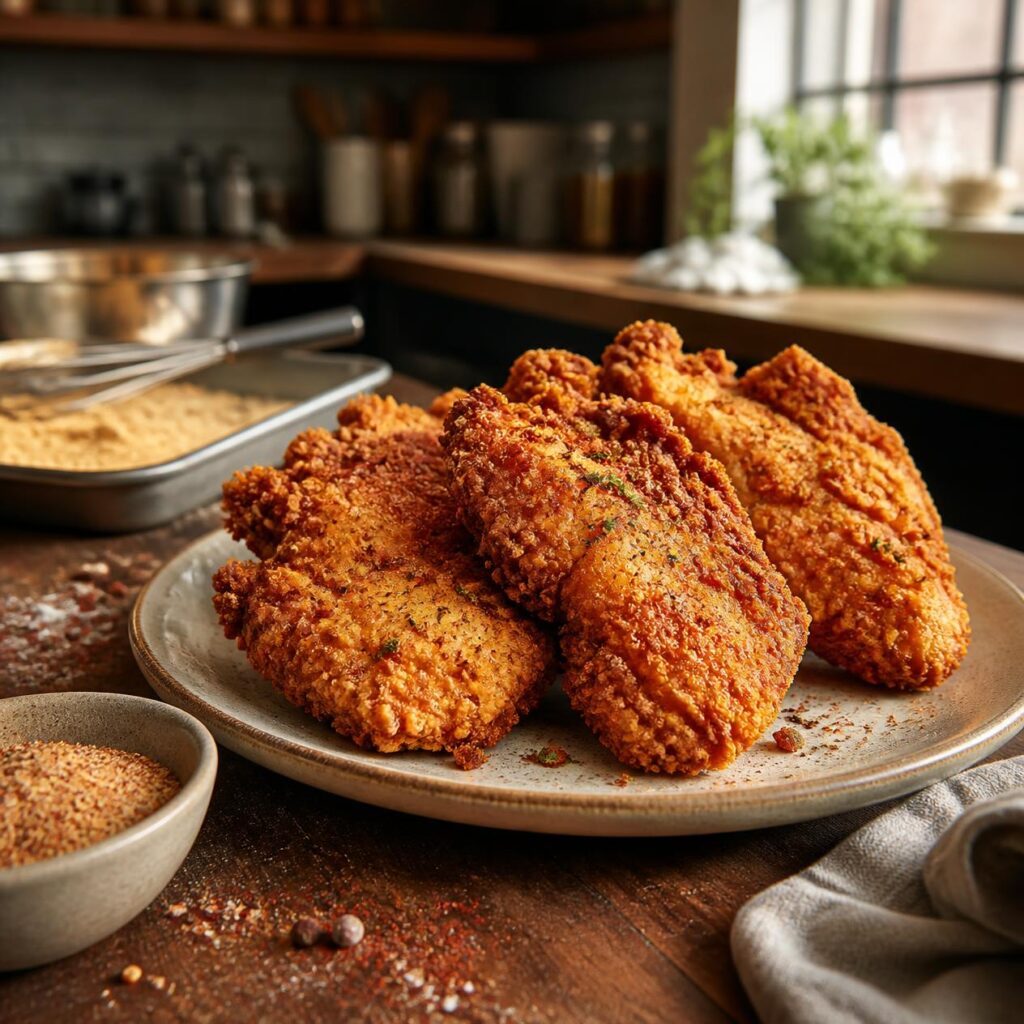
Independent restaurants may not have the buying power or marketing reach of national chains. But they have an advantage fast food chains can’t offer. Delicious food with a local identity, like a home-grown flavor, an in-house recipe, or a signature dish customers associate with that one restaurant, ensures exclusivity. That’s an advantage that chains cannot replicate.
A coating upgrade only offers real value if it solves a genuine kitchen problem. Pre-made breading can solve high prep costs and inconsistent crunch and taste. It also avoids prep mistakes and saves time, ensuring your takeouts arrive in the same shape they left the kitchen. Unlike a standard off-the-shelf blend, custom breading is created explicitly for the restaurant’s protein, fryer setup, hold time, and flavor goals.
This article explores how a custom coating can help an independent restaurant offer an exclusive product. Let’s consider real kitchen costs, recipe ownership, and what to ask a breading supplier before buying.
Should You Use Custom Breading?
Switch to a custom coating when hand-mixing costs more in payroll than buying ready-made blends. It makes sense to change if you don’t want kitchen staff making mixing errors during a rush, and you can meet supplier order minimums. A standard blend may work for basic frying. Yet, it usually can’t account for a restaurant’s specific cooking method, delivery needs, or signature flavor profile.
Relying on hand-mixing flour, seasoning, and starches creates constant operational risk. Measuring mistakes can lead to pale color, salty batches, and wasted raw ingredients. A pre-mixed formula removes labor from your payroll and guarantees every bag meets the same standard.
Create a Distinctive Product
As mentioned, independent restaurants and private operators win market share through exclusivity. Your fried chicken needs a stand-out identity that can’t be found elsewhere. Perhaps your menu could benefit from a pepper-forward Southern style, a fiery promotional blend, a house-special sandwich, crisply coated seafood, or a rugged crunch for bone-in tenders.
Your coating’s flavor and texture must complement the rest of your menu. A barbecue spot, for instance, rarely needs a high-impact spice blend that clashes with its sauces. A balanced coating with coarse black pepper, mild smoke, and savory garlic lifts the smoked meat without overwhelming the palate. Off-the-shelf breading is designed to work for many operators simultaneously. But custom breading is designed to make one operator stand out.
The ideal blending partner will review your cooking operation thoroughly, not just your spice requirements. Your selection of meat, dredging techniques, marinade ratios, fryer volume, oil quality, and holding setups all determine how a pre-made breading formula performs in a real kitchen. A reliable provider also knows that breading that stays crisp on a fresh dine-in platter could fail under heat lamps. Warmers trap steam that softens the crust, and takeout offerings demand custom formulations for extended hold times.
Make the Product Repeatable
When a restaurant mixes flour, starch, salt, and spices in-house, small inconsistencies can add up. If you run out of only one ingredient, a sudden replacement will likely change the flavor, color, and crispiness. Using extra flour to stretch a mix can lead to a pale and bland result. One cook might add extra spice; another may apply too much breading during a rush. Over-seasoning can make the food too salty. Storing and measuring several raw ingredients also takes time and increases the chance of human error.
Pre-mixed commercial blends cut down on several of these kitchen mistakes. Suppliers make pre-mixed breading to precise specifications, so your team gets the same flavor and texture in every batch. A pre-mix doesn’t replace proper staff training for prep, frying, or holding food. But removing dry-ingredient variations simplifies training and helps managers spot operational errors much faster.
Consistency builds customer trust. Diners might forgive slow service, but they will not return if their favorite meal tastes different every time. A pre-mixed commercial blend fixes these problems.
What a Custom Formula Controls
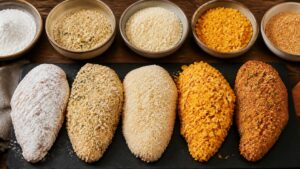
Off-the-shelf breading can work for many operators simultaneously. Custom breading is designed to make one operator stand out. Custom breading also gives you precise control over how the coating performs. It lets you fine-tune several key traits:
- Flavor and seasoning balance
- Particle size and final color
- Texture, adhesion, and crunch retention
- A specific protein or cooking method.
However, even the best formula cannot control the entire cooking process. Final quality depends just as much on kitchen execution:
- Prep work: Protein choice, marinades, and application technique
- Cooking: Fryer temperature, cook time, and oil condition
- Serving: Holding times and packaging methods
A custom coating cuts down on batch variation. However, it can’t make up for poor kitchen habits. Low fryer heat or steam-trapping containers will ruin even a top-tier breading.
To judge a blend fairly, the supplier and the kitchen must agree on the process first. That means standardizing everything from cooking equipment and target internal temperatures to holding times and final packaging.
Use Flexibility Carefully
Independent restaurants can often test a product faster than national chains. Use that advantage with care.
Regardless of what you’re testing, the best trial method changes one clear issue at a time. Perhaps you want to try a hotter version of an existing chicken sandwich, a new barbecue coating, a blend designed specifically for delivery, or an entirely new menu item. Focusing on one problem at a time makes it easier to see improvements.
Test the product with real staff and, where practical, real customers. Track sales, remake rates, customer comments, preparation time, and waste. A product that tastes good in a supplier’s sample kitchen may not work in a busy restaurant with different equipment and service pressures.
A custom breading supplier can help develop variations. However, it’s not recommended to launch a new item simply because a sample tastes interesting. The product must flow into existing methods at a price customers are willing to pay.
Compare the Full Cost
A custom breading often costs more per pound than a standard commercial blend. However, a higher purchase price does not automatically make it more expensive.
Smart operators calculate total food cost by looking beyond the invoice. In-house mixing carries hidden expenses:
- Labor costs: Time spent measuring and mixing raw ingredients.
- Storage and waste: Shelf space taken up by multiple bags, ingredient spoilage, and coating loss.
- Kitchen errors: Remade orders from inconsistent seasoning, extra staff training, and prep delays.
A custom blend might add $0.10 per portion. Yet, if that same blend lessens remakes by 5% and saves two minutes of prep time per order, it pays for itself. Higher kitchen throughput and lower labor costs easily offset the ingredient price.
Get the supplier’s order minimums, lead times, and price breaks in writing first. A low price per pound is useless if a massive pallet shipment jams up your walk-in or a late truck leaves your fryers empty on a Friday night.
Protect the House Recipe
A custom blend helps protect your house recipe. However, “custom” does not automatically guarantee exclusivity.
If the product you decide on gives you a competitive edge, get formula ownership details in writing. Don’t end up in a situation where a private-label manufacturer produces breading under your brand name while still selling that same blend to your competitors unless your contract explicitly forbids it.
Before signing a manufacturing agreement, confirm these legal and operational terms:
- Recipe ownership: Clarify whether you own the proprietary formula and if you can take it to another co-packer later.
- Exclusivity rights: Ensure the agreement includes a non-compete clause so the supplier cannot sell your signature blend to other restaurants.
- Ingredient substitutions: Establish a strict approval protocol for supply chain disruptions.
Unapproved recipe tweaks carry major operational risks. Swapping even one minor ingredient alters flavor, color, allergen lists, and fryer performance. Demand clear documentation and written notice before any supplier alters your blend.
Choose the Right Supplier
Vague promises of “the perfect crunch” mean nothing without a development plan. Go with a dry-blending vendor who welcomes direct questions about testing, supply chain limits, and recipe ownership before signing a contract.
A reliable supplier will test sample batches in your kitchen. They must assess coating hold, crunch retention, ingredient yield, and oil absorption under real rush conditions. Make sure you understand their development terms upfront. Ask how many R&D bench trials your agreement covers, what fees apply for recipe tweaks, and how revisions are handled if the first test batch doesn’t make it.
Your growth plans will hit a wall if your supplier can’t keep up. Check order minimums and shipping times early so you don’t run out of breading on a busy weekend. Make sure your vendor can trace every batch they ship and won’t change your recipe without your knowledge.
Finally, switching to a new coating requires hands-on support for your line cooks. Request detailed standard operating procedures, recipe cards, and clear training guides so your kitchen crew maintains the same crispiness and flavor every shift.
Make the Decision
Custom breading isn’t just a different product; it’s a better-fit solution for a restaurant that wants a signature item, consistent results, and a more memorable guest experience. Exclusive breading is a smart investment when it delivers a signature flavor customers crave and a simple process your kitchen crew can repeat every shift. It fails when it adds costs and operational complexity without solving a real problem.
Independent operators do not need franchise-level budgets to outperform regional chains. Winning market share simply requires a distinct menu concept backed by solid kitchen execution. Developing a custom coating built for your specific fryers, order volume, and holding equipment creates an unforgettable signature dish without risking shift-to-shift quality.
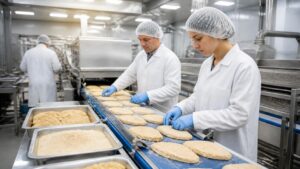
Idan Foods delivers custom formulation and manufacturing support for independent restaurants, growing franchises, commercial food processors, and foodservice distributors nationwide. Contact us to explore custom chicken coatings, private-label dry blending, and commercial food development tailored to your kitchen’s real-world equipment and growth goals.