

In the world of food preparation and culinary innovation, flavor delivery is everything. The way ingredients are applied, layered, and fused with proteins or vegetables determines not only how the dish tastes but also how it feels, smells, and presents. While both seasoning and batter play key roles in transforming raw ingredients into crave-worthy meals, they serve very different purposes in the flavor experience. For chefs, restaurateurs, and foodservice operators, understanding the distinction between the two can shape how dishes are created and elevate what ends up on the plate. At Idan Foods, where custom batters and seasoning blends are developed for high-volume restaurant chains and franchise kitchens, this difference is at the heart of everything we do.
The Role of Seasoning in Flavor Building
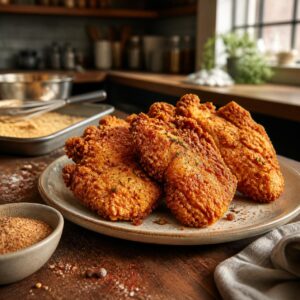
Seasoning is often the first layer of flavor applied to a protein or vegetable. It can be as simple as a dusting of salt and pepper or as complex as a proprietary spice blend crafted to enhance specific menu items. The primary function of seasoning is to interact directly with the food surface, absorbing into the pores or clinging to moisture to create a distinct burst of flavor. Because seasonings are usually applied before or after cooking, they have immediate contact with the palate. They tend to be dry, lightweight, and packed with aromatic components that trigger both smell and taste simultaneously.
However, seasoning alone doesn’t always adhere well during high-heat cooking or when frying. It can be uneven, burn quickly, or fall off entirely, especially in high-output kitchens or when moisture levels aren’t perfectly controlled. That’s where batter comes in—not only as a flavor layer, but as a structural component that helps seal in juices and provide a crispy or tender texture.
Batter as a Carrier of Flavor and Texture
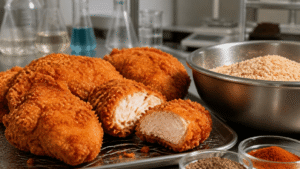
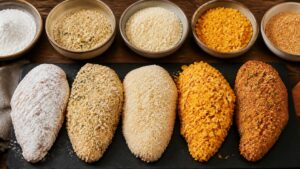
Unlike seasoning, batter serves multiple roles in food preparation. It is both a carrier of flavor and a physical barrier that impacts the overall mouthfeel. Batters are typically made from a combination of flours, starches, liquids, and often pre-mixed spices or savory notes. When applied correctly, batter can lock in moisture, create a desirable crunch or golden crust, and provide a vehicle for seasonings to perform more effectively under heat.
The real magic of batter lies in how it extends the flavor profile across the entire bite—not just on the surface. With custom batter systems like those developed by Idan Foods, flavor can be infused directly into the batter mix, meaning every layer of the food delivers a consistent, well-balanced experience. This is particularly important in commercial kitchens where repeatability and quality control are essential. The batter doesn’t just hold seasoning; it becomes an extension of it.
How the Two Work Together
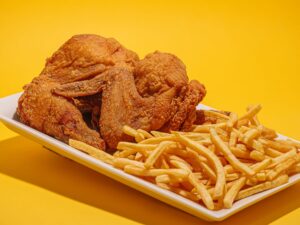
The distinction between seasoning and batter doesn’t mean they are mutually exclusive. In fact, the most successful food formulations often rely on both. A protein can be pre-seasoned to enhance internal flavor, then coated in a custom batter that introduces complementary notes and a textural contrast. Post-fry seasoning can also be added for an extra flavor punch. The synergy between seasoning and batter is what makes certain menu items iconic—think of the bold exterior of Nashville hot chicken or the crackling shell of tempura shrimp with a subtle garlic undertone.
Idan Foods specializes in this layering approach by offering tailored solutions where batter and seasoning systems are developed side-by-side. Our food scientists work closely with chefs to build cohesive flavor strategies that extend beyond the basics. This integrated design ensures that no matter how the product is cooked, the flavor is locked in and the texture exceeds expectations.
Choosing the Right Format for Your Culinary Vision
For culinary professionals, deciding between seasoning and batter isn’t just about taste—it’s about operational needs, cooking method, presentation, and even brand identity. Seasoning might be ideal for a grilled or sautéed item, where minimal interference with the protein’s natural flavor is desired. Batter, on the other hand, is critical for fried foods or when texture is a defining part of the dish.
Idan Foods understands these variables and offers a wide range of custom solutions that cater to each use case. Whether a franchise needs a shelf-stable dry seasoning blend for its rotisserie chicken or a pourable batter mix that delivers a light, golden crunch for its fish fillets, we develop each product with precision. Flavor isn’t just about taste—it’s about control, consistency, and the emotional experience that keeps customers coming back.
Understanding Flavor Delivery at Its Core
At the core of great food is a deep understanding of how flavor is delivered. While seasoning offers an immediate, aromatic impact that hits the palate fast, batter builds a sensory experience that combines taste with texture, crunch, and visual appeal. Neither is better than the other—they simply serve different roles in the culinary journey. At Idan Foods, our expertise lies in creating flavor systems where seasoning and batter are not only balanced but synergistic, helping restaurant chains deliver on taste and texture every single time. Understanding this difference isn’t just good knowledge—it’s the foundation of better food innovation.