
Today’s young adults crave a combination of spicy heat and traditional crunch. They want to explore exciting stories and cultures when dining out or ordering in. Restaurants and fast-food outlets now have the perfect reason to upgrade their core menus to remain competitive. The modern consumer is willing to pay top dollar for limited-time treats. However, they still want top quality and value for money.
Chefs can get the most out of their existing protein stock and attract modern customers without adding challenges to their busy kitchens. Whether you serve chicken as tenders, strips, wings, bone-in thighs, or drumsticks, you can upgrade your menu right at the packaging stage by using topical seasonings and pre-made finishing sauces. But what about the crust?
Why Does the Crust Structure Matter for Spicy Trends?
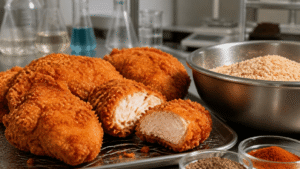
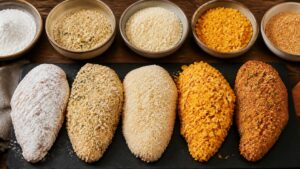
The crust structure is your foundation. The crunch determines whether your patrons get the bite they expect or if the hot sauce turns their chicken into a soggy mess. Flavor is a primary consideration; it’s why your customers choose you, but it’s not everything. The structure of the breading influences oil pick-up, yield, adhesion, and hold time.
When a restaurant pours a heavy, wet sauce over a standard flour coating, the flour coating absorbs the sauce, and the crust starts to disintegrate under the heat lamps. A starch-optimized coating fixes that. It keeps moisture out of the crust, so the chicken holds its crunch under heat lamps and can even survive a long drive in a delivery bag. See how buttermilk southern and double-dredge architectures compare.
Three regional coating systems solve this problem in three unique ways: Nashville Hot, Korean-style, and Caribbean jerk. Each one is built around a different sauce, a different kind of heat, and a different crust.
What Is the Nashville Hot Coating System?
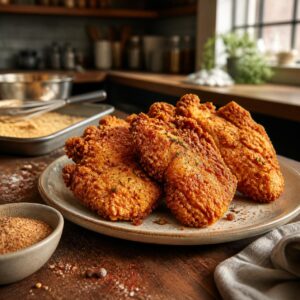
It’s a traditional Western flour-dredge system that creates a craggy, deeply uneven crust. This rugged surface across the chicken portion quickly traps a heavy post-fry application of spicy oil paste.
However, because of the introduction of an oil-on-oil step, a standard flour would fail instantly. The average commercial flour absorbs too much grease during the dip phase. Then, under the heat lamps, the crust becomes incredibly heavy and slides right off the chicken at the first bite. A successful system uses a harder wheat flour. More gluten means the air pockets in the crust hold their shape instead of collapsing. See our full breakdown of building a Nashville hot breading system.
This coating brings excellent advantages to any kitchen line:
- It locks in the spicy cayenne-and-oil paste. When brushed on after frying, it won’t let grease soak into the underlying protein.
- It creates a noticeable, uneven visual texture that easily commands a premium menu price.
What Is the Korean Style System Really?
It’s a layered wet batter that creates a paper-thin, translucent shell, almost like a pane of glass. There’s no thick, flaky crust here like you’d get from a Western flour dredge. Instead, the chicken is fully dunked in a thick, starch-heavy batter before going into the fryer.
Whenever kitchen staff brush a sticky, sweet gochujang glaze (Korean fermented chili paste) over standard flour breading, the sugars will draw a lot of juice from the chicken. The crust suffers a dual attack from the watery protein and the glaze simultaneously. To prevent this crust from crumbling or falling off, a custom batter producer like Idan Foods will methodically replace wheat flour with a precise blend of rice flour and high-amylose corn starch. For a closer look, see our blog post, “Specifying Korean-style coating.”
For high-traffic outlets, a starch-forward, wet batter delivers operational excellence:
- It gives you a sharp, shattering crunch that customers see as premium.
- It holds up against wet, sweet sauces that would turn a regular flour crust to mush in minutes.
But what about the Jamaican jerk?
What Is the Jamaican Jerk Coating System?
Warm and sweet, with a fruity, slow-building heat and depth from allspice and cinnamon, jerk is unlike anything else. Most of that flavor doesn’t come from the breading. It comes from a wet marinade, worked into the chicken before it’s dredged.
That’s a very different problem from Nashville’s oil paste or Korea’s sugar glaze. A heavily seasoned, wet surface doesn’t readily accept a dry coating. The flour clumps in spots, browns unevenly, and can pull away from the meat if the blend can’t grip a marinated surface.
A standard house dredge wasn’t designed for that. It’s built to coat dry or lightly moist chicken, not a piece that’s already carrying marinade, garlic, and scotch bonnet on the surface. A custom blend solves this by specifically adjusting for adhesion and browning. Hence, the crust grips evenly across a wet, seasoned piece instead of sliding off in patches.
Getting that right gives operators two things that a standard dredge never could:
- A crust that browns evenly across a heavily marinated surface instead of streaking or burning in spots.
- Consistent adhesion from batch to batch so the coating doesn’t clump or separate during a busy shift.
See our Jamaican-style coatings spec guide for the full breakdown.
Some Restaurants Confuse the Trends. Why?
Restaurants get this wrong constantly. They treat a crust like a sauce, something you can just swap out; splash a new glaze on the same house dredge and call it a regional item.
Guests will notice this almost immediately, usually on a delivery app. A sauce-ready breading isn’t a change in seasoning. It’s water activity, sugar charring, oil life, and shell strength.
Texture tells the story. Nashville Hot gives you a rugged, substantial crunch, the spice paste sitting tightly in those outer craters. Korean-style has a loud, glassy snap, with the glaze staying on top instead of soaking in. Jamaican jerk is different again: a standard crunch carrying a wave of heat that builds after the bite, rather than sitting on the surface.
What Are the Operational Differences Between Systems?
Each operation is focused on how the dry starch mix accommodates the kitchen workflow and high-moisture finishing liquids. This is not a one-size-fits-all matter. Operators need to match their base ingredients with the primary offerings.
| Operational Need | Nashville Hot | Korean Style | Jamaican Style |
| Primary Base | Wheat flour dredge, with seasoning (paprika, garlic, onion, chili) built into the breading itself | Potato starch-forward batter, sometimes blended with a small amount of low-gluten wheat flour. | Standard flour dredge, but most of the flavor comes from a wet marinade applied to the chicken before dredging. |
| Heat/Flavor Delivery | Cayenne-and-oil paste brushed on after frying | Sticky glaze applied after a double fry | Marinade and wet seasoning are worked into the chicken before it’s breaded. |
| Main Crust Risk | The wet oil step rehydrates the coating and accelerates sogging, especially during delivery. | The glaze adds water activity and sugar, which attack the crunch if the shell isn’t strong enough. | A wet, heavily seasoned surface can cause adhesion, clumping, and uneven browning if the dry blend isn’t built for it. |
| What the Spec Needs to Solve | Crunch retention, burn tolerance, and repeatable heat across locations | Film strength, oil management, and sugar tolerance through two fry stages | Adhesion to a wet, seasoned surface, plus clean, consistent frying without clumping |
How Do You Achieve Moisture, Hold, and Crunch Retention?
You use a pre-dust layer that binds to the raw chicken before it goes into the fryer. That controls steam. Fresh chicken releases quite a bit of water vapor the moment it hits hot oil, and that vapor cracks the crust from the inside.
Add a wet glaze to a standard flour crust, and you’ll get moisture from both the inner protein and the outer crust at the same time. A good dry blend prevents this when you mix in soy proteins and egg white solids. They set almost instantly in hot oil, sealing the juices in before steam can force its way out and cause the crunchy shell to fall off.
For a custom blend, that solves two real problems:
- Skin slip and blistering under heat lamps.
- Extra oil soaking in, quietly driving up food costs.
Why Does Custom Formulation Matter?
It enables a brand to scale a regional trend across hundreds of locations without the necessity for a skilled cook on every shift. Scratch-mixing at the store level doesn’t hold up. Ingredients separate in transit, so the flour at the top of a bulk bag isn’t the same mix as the flour at the bottom.
A custom supplier creates the entire system to survive that. Specialized milling maintains a uniform particle size, flow agents prevent clumping, and batch testing ensures the heat level is identical every time. The consistency no longer depends on a busy line cook, and the formula handles it.
Working with an expert blending partner gets you a few things you can’t build in-house:
- A pre-dust that actually bonds to the meat.
- A wet wash that keeps batter pick-up consistent shift to shift.
- Pre-portioned, standardized packaging so every location gets the same product.
How Can Operators Turn Their Coating System Into A Competitive Edge?
Partner with a private-label manufacturer and build a base platform around your actual menu. Swapping sauce brands won’t fix a crust that’s falling apart. The crust has to match the operation, not the other way around.
Lock in a formula built around your hold times and delivery model, and kitchen variance mostly disappears. A good blending partner isn’t selling you a bag of flour. They’re selling consistent adhesion, real crunch retention, and better margins across every location.
Make Contact Today
In short, the right coating turns regional spice trends into reliable profit—don’t let a mismatched crust undermine your menu innovation. Ready to lock in consistent crunch, simplify operations, and scale your spicy offerings with confidence? Contact our blending specialists for a free formulation assessment and sample kit tailored to your menu and hold times.