
When it comes to crafting the perfect crispy, golden coating for fried foods, batter and breading each bring unique textures, flavors, and functional advantages to the table. For large foodservice operators, restaurant franchises, and industrial food manufacturers, understanding the differences between the two is more than a culinary detail—it’s a strategic decision that affects everything from mouthfeel and shelf life to kitchen efficiency and brand consistency. At Idan Foods, we specialize in developing customized batter and breading blends that meet the high-volume needs of large-scale food operations without compromising on flavor or quality.
Understanding the Core Differences Between Batter and Breading
The most fundamental difference lies in form and application. Batter is typically a liquid mixture made of flour, starches, seasonings, and often a leavening agent, which is used to coat food by dipping before frying. It creates a cohesive, smooth exterior that adheres closely to the surface of the item and often puffs up when cooked, providing a crisp, airy texture.
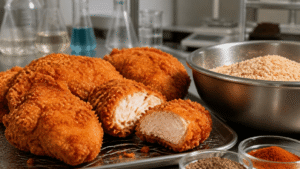
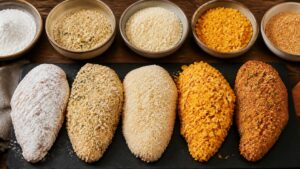
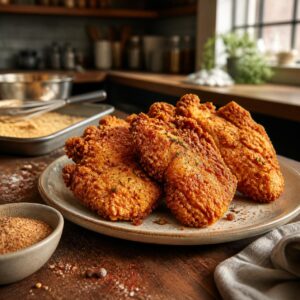
Breading, on the other hand, is a dry mixture—often composed of flour, cornmeal, breadcrumbs, or crushed cereals—used to coat food that has been moistened beforehand. It creates a layered, textured crust that can be manipulated to deliver varying degrees of crunch. For companies aiming for a handcrafted look or signature crunch, breading offers a highly customizable platform.
Texture, Appearance, and Eating Experience
For large brands, delivering a memorable mouthfeel is key to repeat business. Batter tends to result in a smoother, thinner, and often more uniform crust, which works well for products like onion rings, tempura vegetables, or fish filets. The lightness of the coating allows the flavor of the core ingredient to shine while providing a consistent, crispy bite.
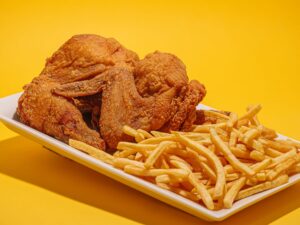
Breading, by contrast, delivers a heartier crunch with a more rustic or homestyle appearance. It is often used for chicken tenders, fried shrimp, or pork cutlets. The layered structure of breading allows it to hold sauces well and maintain texture longer during delivery or holding periods—an important factor for operations in QSR and fast-casual segments.
Operational Considerations in Large-Scale Production
From a process efficiency standpoint, choosing between batter and breading depends heavily on your kitchen setup or production line. Batter requires wet application and typically works best with automated dipping and frying systems in a controlled environment. It’s fast, uniform, and reduces the need for multiple breading layers, which can cut down on prep time in high-volume settings.
Breading systems can involve a multi-step process: pre-dust, batter dip, then breading. This allows for layering and adhesion control but may require more handling or specialized equipment. However, the payoff is significant for products that demand visual variety and a more premium, craft appearance.
At Idan Foods, we engineer batters and breadings that are optimized for both manual and automated environments. Our R&D team works closely with culinary and operations leads to ensure that each blend functions perfectly with your chosen application method—whether that’s high-speed frying lines or traditional prep kitchens.
Customization for Flavor and Functional Needs
Both batters and breadings offer vast opportunities for customization, and this is where large companies can truly differentiate their offerings. With batter, you can integrate spices, herbs, and unique starch combinations that contribute to color, puff, and flavor release. Breading systems can be tailored to include specialty crumbs, infused seasonings, or binding agents that ensure a superior crunch across various proteins and cooking methods.
Additionally, ingredient transparency, dietary preferences, and allergen awareness have created demand for gluten-free, clean-label, and low-sodium coating options. Idan Foods is a leader in innovation in this space, offering custom blends that align with evolving consumer expectations without compromising on performance or flavor.
Which Is Right for Your Operation?
There’s no one-size-fits-all answer when choosing between batter and breading—it depends entirely on your end product, preparation method, brand positioning, and desired consumer experience. Are you aiming for a light, golden crunch or a bold, hearty texture? Do you need a coating that holds up during delivery or one that crisps up beautifully right out of the fryer?
Whether you’re developing a new line of fried appetizers, frozen entrees, or premium handhelds, the team at Idan Foods brings decades of experience in helping foodservice brands select and tailor the ideal coating solution. We go beyond standard formulas to create proprietary blends that deliver operational efficiency, flavor integrity, and signature texture—no matter the scale.
Partner with Idan Foods for Custom Batter and Breading Solutions
Choosing the right coating system can be the defining factor in a product’s success. With Idan Foods as your partner, you gain access to culinary expertise, technical innovation, and a collaborative process that puts your brand’s needs first. We help you create consistent, craveable products that keep customers coming back—and that can be produced reliably at scale.
If you’re ready to elevate your coating game with a partner who understands both flavor and function, reach out to Idan Foods today. Let’s build something delicious together.